
Meet the Dedicated Board Members of Historic Tuscaloosa
Our board members are passionate stewards committed to preserving Tuscaloosa’s historic landmarks and fostering community engagement. Discover how their leadership shapes our mission and supports our city's cultural heritage.
ABOUT US
Who Are the Board Members Guiding Historic Tuscaloosa?
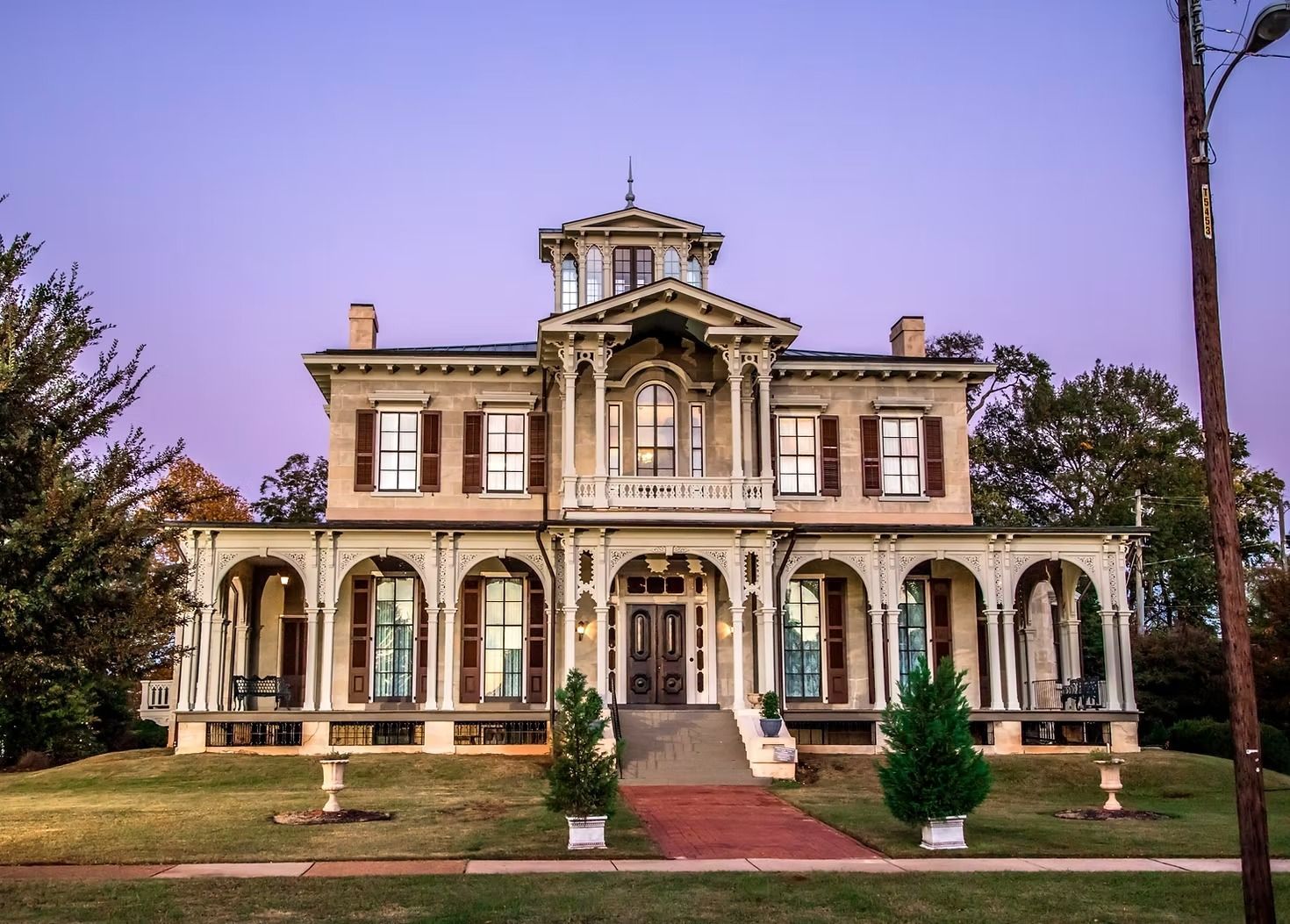
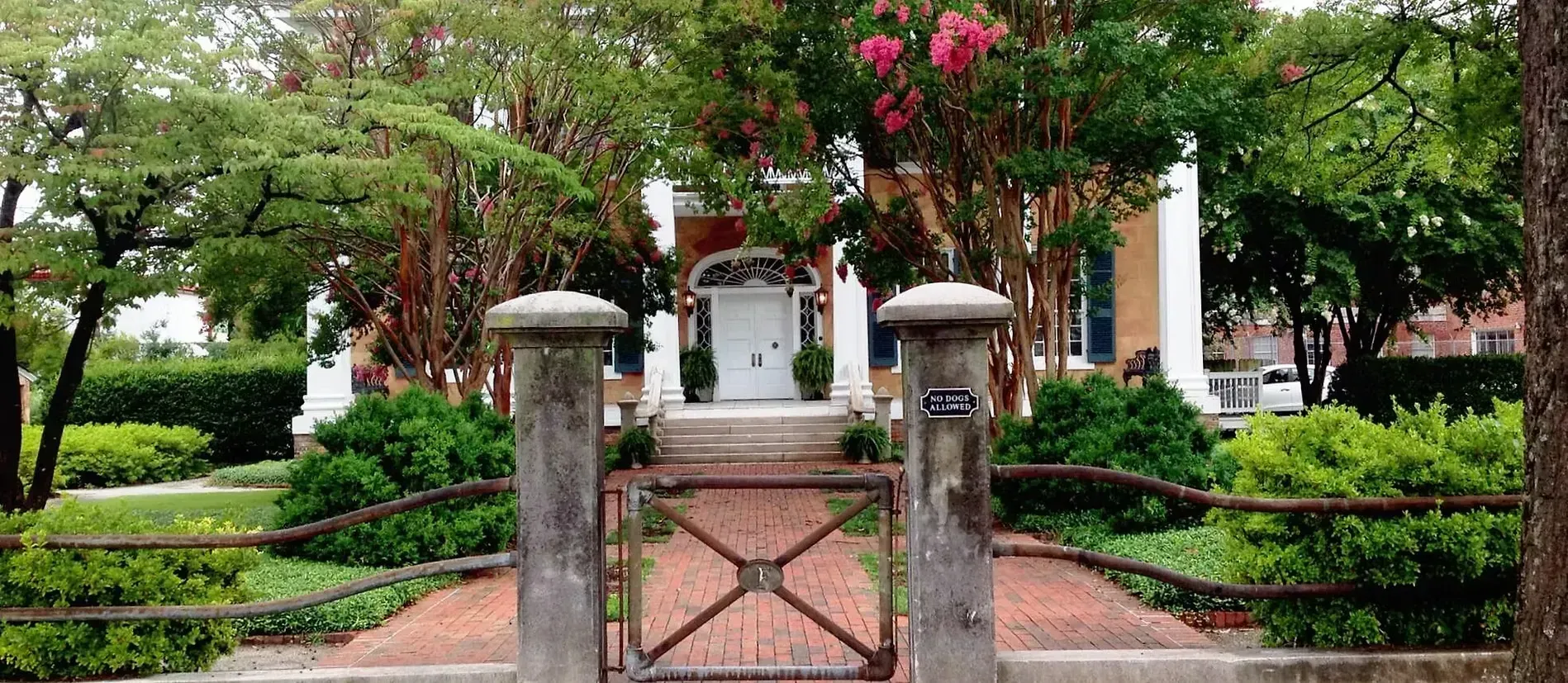
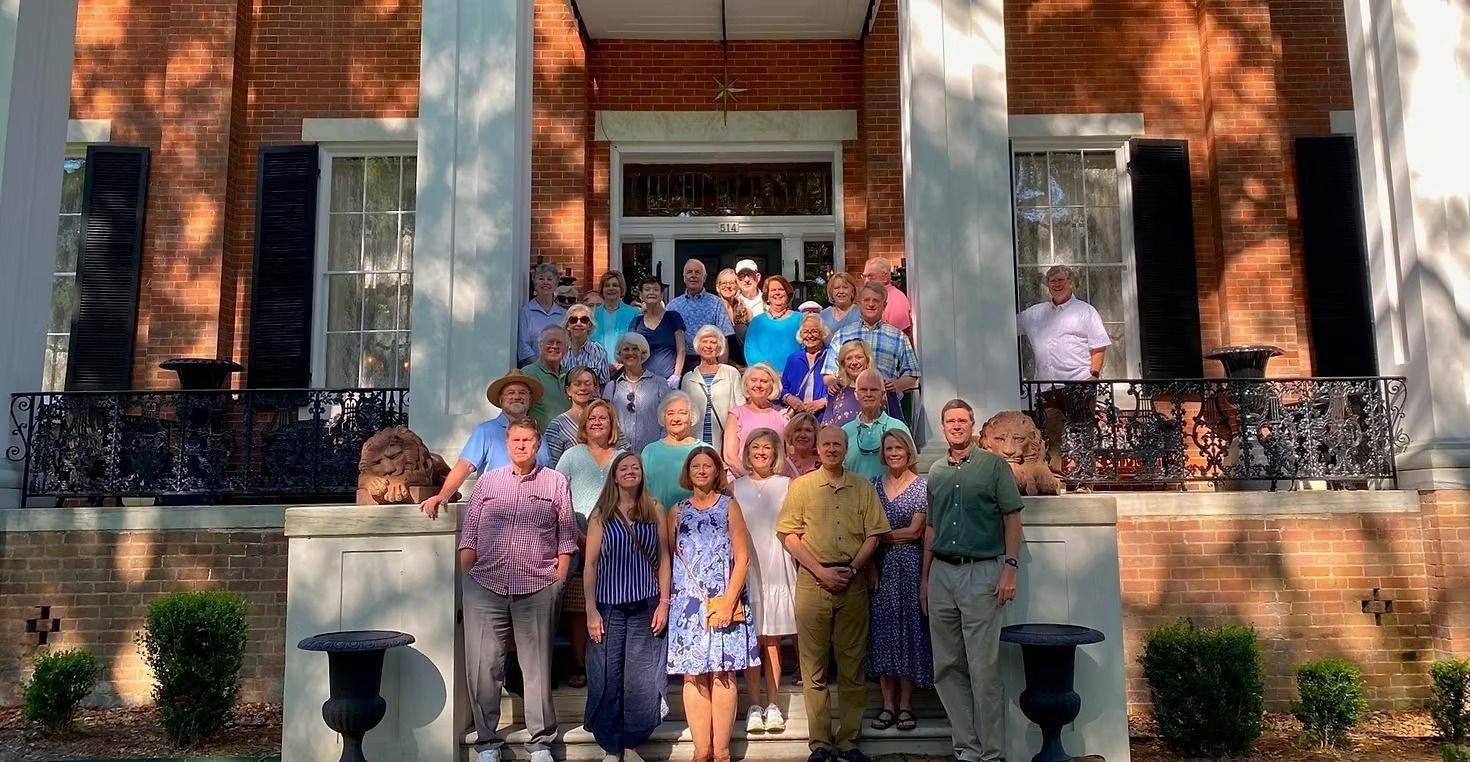
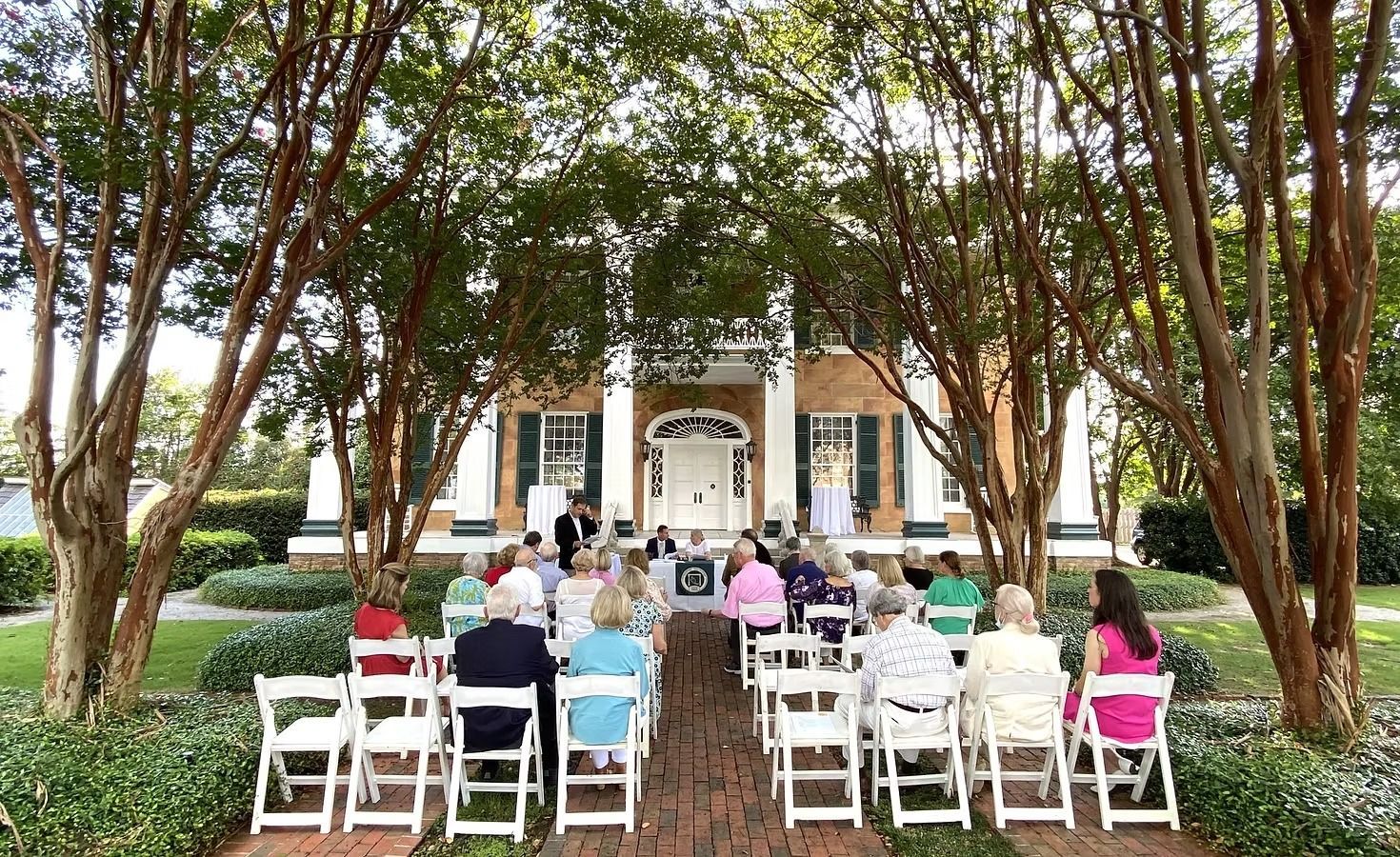
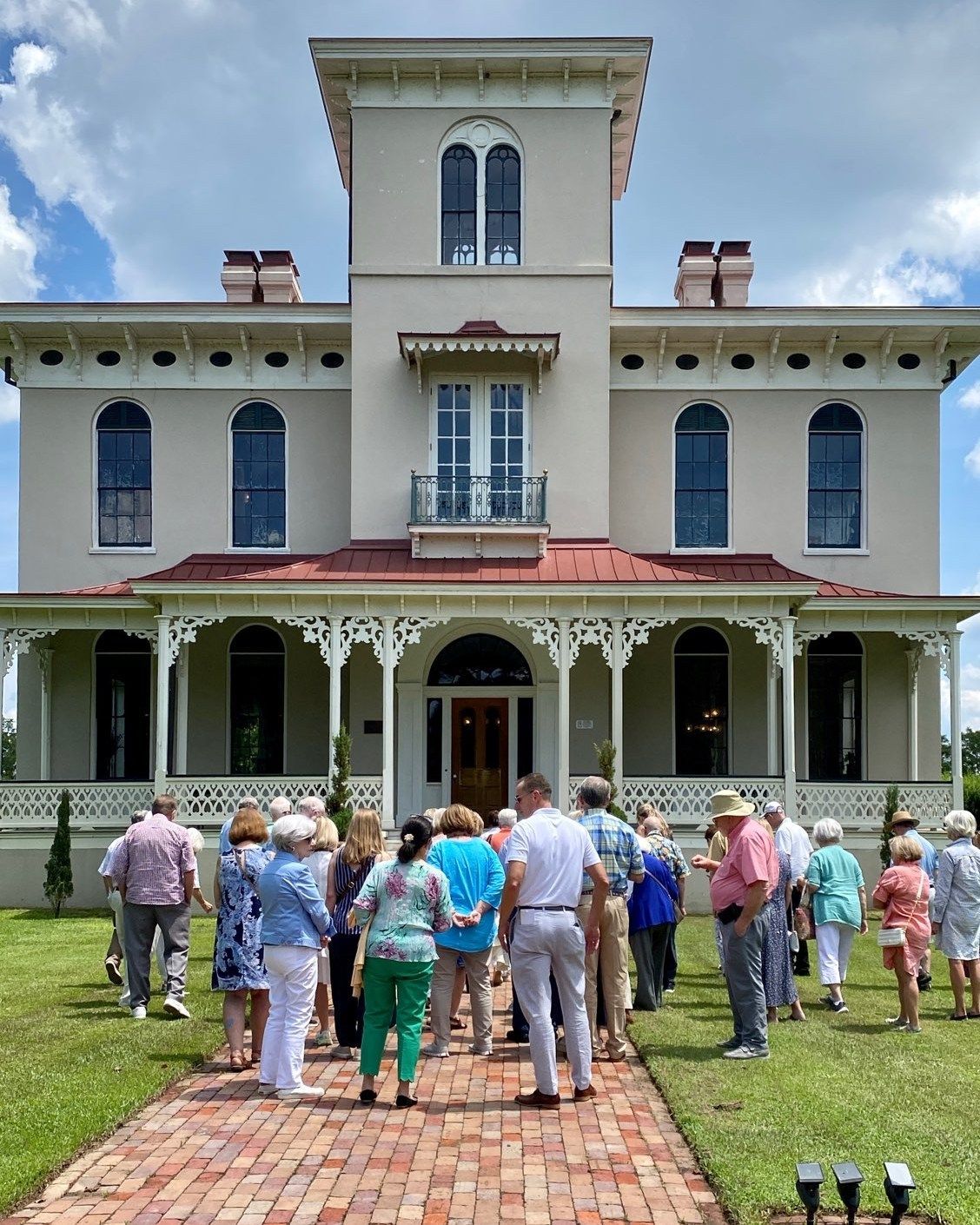
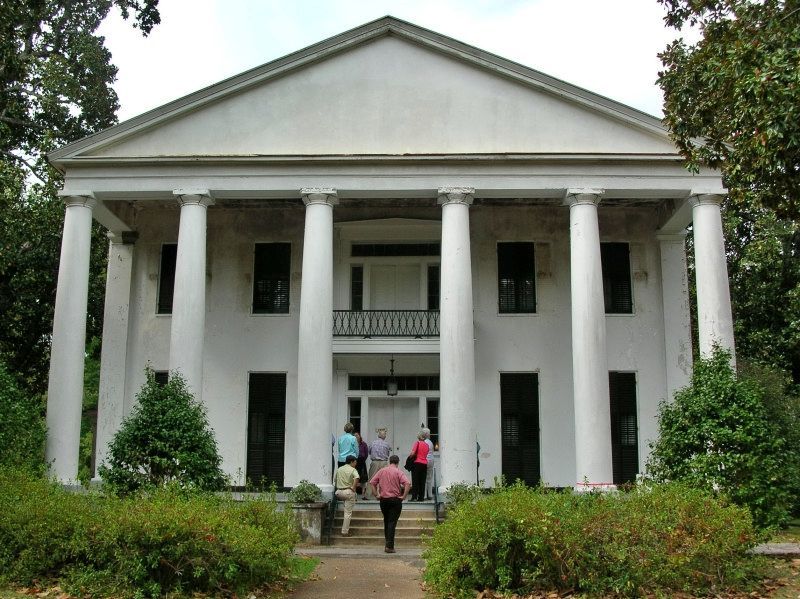
The board members of Historic Tuscaloosa serve as the guiding force behind our preservation and community initiatives. Each board member brings unique expertise and unwavering dedication, ensuring that the historic properties and cultural programs under our care remain vibrant assets for locals and visitors. Board members are responsible for strategic oversight, fiscal stewardship, and advancing our mission as a non-profit. Their collective leadership draws from backgrounds in history, education, business, and civic service, reflecting the diverse needs of Tuscaloosa’s community. By collaborating with staff, volunteers, and local stakeholders, the board supports key activities, including historic tours, event rentals, fundraising, and public outreach. Their involvement extends beyond governance—they actively champion our properties, including the Battle-Friedman House & Gardens and the Jemison-Van de Graaff Mansion —and ensure that Historic Tuscaloosa remains a cornerstone of civic pride and historical education in the city.
20+
YEARS IN BUSINESS
20+
YEARS IN BUSINESS
ABOUT US
Why Board Members Are Essential to Our Organization’s Mission
Board members do much more than set policies—they embody the values of Historic Tuscaloosa and serve as advocates for our city’s heritage. Their vision drives our preservation efforts, supports inclusive programming, and secures resources necessary for ongoing restoration and educational projects. The board’s deep local connections help foster meaningful partnerships with neighborhoods, schools, and businesses throughout Tuscaloosa and West Alabama. By upholding transparency, accountability, and innovation, board members ensure that every initiative—from community events to volunteer opportunities—aligns with the organization’s mission. Their leadership is crucial in responding to challenges, maintaining compliance, and adapting to the evolving needs of our supporters. The dedication and strategic insight of our board help preserve Tuscaloosa’s architectural treasures and ensure their stories are shared for generations.
FAQS
Frequently Asked Questions About Our Board Members
What are the main responsibilities of Historic Tuscaloosa board members?
Board members play a vital role in guiding the mission and long-term success of Historic Tuscaloosa. Their primary responsibilities include providing governance and oversight, setting strategic direction, and ensuring the organization operates in alignment with its mission of preservation, education, and community engagement. Board members help establish policies, review organizational performance, and support ethical and financial stewardship. Fundraising and advocacy are also key components of board service, as members help secure resources through donations, partnerships, and community outreach. In collaboration with staff, the board works to ensure historic properties are properly maintained, and programming continues to serve the public. By offering leadership, expertise, and community connections, board members help Historic Tuscaloosa preserve local history while adapting to the evolving needs of Tuscaloosa and surrounding communities.
How are board members chosen, and how long is their term?
Board members are selected through a nomination and approval process guided by Historic Tuscaloosa’s bylaws. Candidates are typically nominated for their professional expertise, leadership experience, and demonstrated commitment to the community and to historic preservation. The goal is to maintain a diverse board with skills that support governance, fundraising, education, finance, and community engagement. Terms of service and eligibility for reappointment are defined by the organization’s governing documents and are structured to provide continuity while allowing for fresh perspectives. This process helps ensure stable leadership and thoughtful succession planning. Board members are expected to actively participate throughout their term by attending meetings, serving on committees, and supporting organizational initiatives. Specific term lengths and selection details are available upon request from Historic Tuscaloosa.
Can community members engage with the board or attend meetings?
Historic Tuscaloosa values transparency and community involvement and welcomes engagement from local residents and stakeholders. While some board meetings may be closed to address confidential or administrative matters, opportunities for community input are encouraged through public events, programs, and organizational outreach. Community members are welcome to share ideas, feedback, and concerns with board members or staff throughout the year. Public meetings, forums, or informational sessions may also be held periodically to discuss major initiatives or organizational updates. Volunteers, members, and supporters often engage directly with board members during events and programs. This open approach helps ensure that Historic Tuscaloosa remains responsive to community needs while strengthening relationships with the people it serves.
How do board members support historic preservation and events?
Board members actively support historic preservation and programming by advocating for funding, overseeing strategic initiatives, and working closely with staff to advance Historic Tuscaloosa’s mission. They help guide decisions related to property restoration, maintenance, and long-term preservation planning. Board members also promote tours, educational programs, and community events by serving as ambassadors within the community. Through fundraising efforts, partnerships, and outreach, they help secure the resources needed to sustain programs and historic sites. Many board members participate in event planning, attend programs, and support public engagement initiatives. Their involvement ensures that preservation efforts remain aligned with community needs while supporting high-quality educational and cultural experiences throughout Tuscaloosa.